Poly-Lactic Acid: Sculptra

They have written about our treatments:

Poly-Lactic Acid for Face and Body (Sculptra)

What Is Poly-Lactic Acid Treatment?

As our skin ages, it gradually loses firmness and volume, leading to wrinkles, sagging and a more tired appearance. If you are looking for an effective, long-lasting solution that delivers natural-looking results, poly-lactic acid (PLA) treatments can restore a more youthful appearance by stimulating collagen production.

In this article, we will take a closer look at the most widely known poly-lactic acid product, Sculptra.

What Is Poly-Lactic Acid?

Poly-lactic acid is a biocompatible and biodegradable substance that is naturally present in our body. This means that it is safely absorbed and eliminated by the body. It has been used in medicine for decades, including in sutures that are absorbed by the body.

In aesthetic medicine, injectable poly-lactic acid treatments stimulate the skin’s natural collagen production. Rather than immediately filling lines and wrinkles like hyaluronic acid fillers, PLA injectables gradually improve the skin’s structure and volume over a period of several months, offering firmness, lifting and a natural-looking, longer-lasting result.

How Do Poly-Lactic Acid Injectables Work?

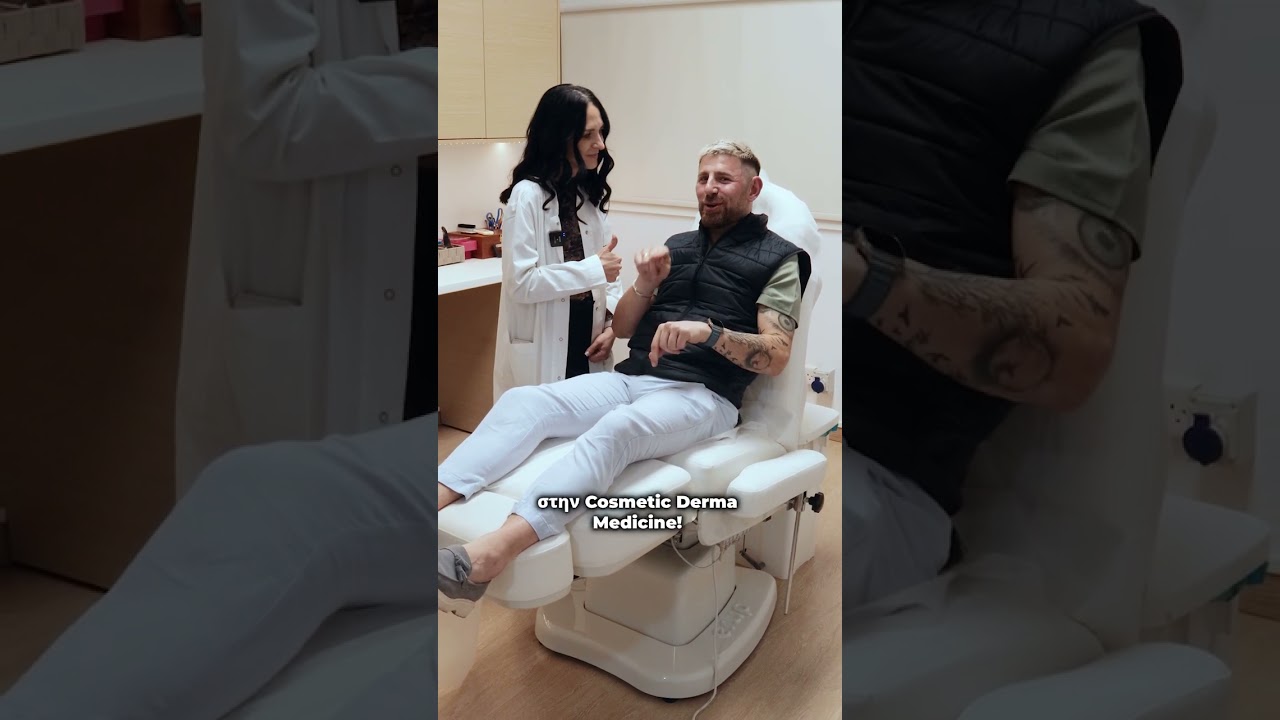
Youtube video

When injected into the skin, poly-lactic acid stimulates fibroblasts to produce new collagen fibres. Gradually, as the body absorbs the poly-lactic acid, the new collagen fibres replace lost volume and improve the skin’s overall structure, restoring the firmness and elasticity associated with younger-looking skin.

PLA affects not only fibroblasts but also the extracellular matrix, the network of substances surrounding skin cells that provides nutrients, support and signals, helping to enhance the skin’s health and vitality.

Sculptra Treatment Areas

Sculptra, whose active ingredient is Poly-L-lactic acid (PLLA), has been designed primarily to restore facial volume. It is widely used to improve skin laxity, texture and elasticity in various areas of the face, such as the cheeks, cheekbones, jawline and nasolabial folds, as well as areas of the body, such as the buttocks, arms and thighs.

Poly-lactic acid is generally not suitable for dynamic wrinkles or fine lines in highly mobile areas of the upper face, such as the forehead, frown lines, the eye area or fine lines around the mouth, due to its mechanism of action, where Botox is more effective, and because of the risk of nodule formation. However, it is used in the temples to restore lost volume and achieve a subtle lifting effect.

Benefits of Poly-Lactic Acid

  • Natural-Looking Result

    The results develop gradually, providing progressive rejuvenation without suddenly changing your facial features. Your friends may notice that you look more rested and refreshed without being able to pinpoint exactly what you have done.

  • Long-Lasting Effect

    Compared with hyaluronic acid fillers, the results of PLA treatments last much longer, reducing the need for frequent appointments and treatments. This can save you time and money in the long term.

  • Improved Skin Quality

    Stimulating collagen production leads to firmer, more elastic and younger-looking skin, addressing the deeper causes of ageing.

  • Personalised Treatment

    With a variety of PLA products, or in combination with other modern regenerative medicine treatments that are suitable for you, we tailor the treatment to your individual needs.

Should I Choose Poly-Lactic Acid or Hyaluronic Acid?

For more immediate results, choose hyaluronic acid. For longer-term, more natural-looking results, opt for poly-lactic acid.

Feature Poly-Lactic Acid Injectables (PLA) Hyaluronic Acid Fillers
Mechanism of Action Stimulates collagen production Provides immediate volume
Visible Results Gradual (weeks or months, depending on the product) Immediate
Duration 2–3 years or longer, depending on the type / individual response 6–12 months (varies depending on the area / individual response)
Areas of Use Face and body Face
Number of Sessions 1–3 depending on the product Often one session per area
Improvement in Skin Quality High, through collagen stimulation Mild to moderate hydrating effect

Side Effects

PLA treatments are safe and approved by the U.S. Food and Drug Administration (FDA) and the European Union. The most common side effects are usually mild and temporary, such as mild swelling at the injection site, small bruises, redness or tenderness to the touch, which usually subside within 1–3 days.

Although it is rare, there is a risk of small nodules, or small bumps, forming under the skin. This is more likely to occur if the product has not been injected correctly or if the area has not been massaged properly after Sculptra treatment.

Unlike hyaluronic acid fillers, which can be dissolved with hyaluronidase, PLA injectables cannot be dissolved if you are not satisfied with the result, for example in the case of overcorrection.

It is very important to choose an experienced and specialised doctor who has been trained in the correct injection techniques, and to carefully follow your doctor’s instructions before and after treatment.

Who Are the Ideal Candidates?

PLA treatments are ideal for:

  • Adults aged 30–60+ with mild to moderate facial volume loss. For example, people who notice that their cheeks have lost volume or that their facial contour is not as defined as it used to be.
  • Patients looking for long-term improvements rather than quick, temporary solutions.
  • People who want subtle, gradual rejuvenation.

They are not suitable for those who want immediate correction of fine lines or the addition of volume in areas such as the lips or under the eyes.

The Treatment Process

  • Before

    • At your first appointment, you will have a detailed discussion with your doctor so that you can explain your expectations, your medical history can be assessed and the appropriate treatment plan can be recommended.
    • It is recommended that you avoid taking anticoagulant medication or drinking alcohol for a few days before treatment in order to reduce the risk of bruising.
  • During

    • The procedure usually takes 30–60 minutes, depending on the number of areas being treated.
    • A topical anaesthetic cream is used to help keep you comfortable during the procedure.
    • PLA injections are placed deep in the skin or in the subcutaneous tissue.
  • After

    • It is normal to experience mild swelling or bruising in the treated areas, but this usually subsides within 1–3 days.
    • The results develop gradually, so some patience is required until they become visible.

Combination with Other Treatments

PLA treatments can be effectively combined with other aesthetic treatments for a more comprehensive anti-ageing result, addressing different skin needs. For example:

  • Hyaluronic acid filler for the lips or the dark-circle area.
  • Microneedling or radiofrequency (RF) to improve skin texture and firmness.
  • Skin boosters for hydration and a more vibrant-looking complexion.

We often create combination treatment plans for a more comprehensive approach to anti-ageing.

Why Choose Us

Poly-lactic acid injectables offer a leading alternative to traditional fillers, focusing on skin regeneration rather than the temporary restoration of lost volume.

If you are not sure which treatment is ideal for you, we will advise you based on your skin’s needs.

Leave us a message and we will get back to you as soon as possible, or call us from Greece at (+30) 210 6980451 and from Cyprus at (+357) 25251040 for Limassol.

Contact Form

The specialized medical team, the modern medical methods and the modern and luxurious spaces of the clinics offer the ultimate experience of hospitality, service and provision of health and beauty services.